Skip to content

The Poet Index · Entry 1038

Alan Seeger
Poems

Lifespan
1888–1916
Nationality
United States
Indexed Works
1

It's the poem that shapes Seeger's entire reputation, and reading it even once shows why a president memorized it — the tone is calm, accepting, and truly touching instead of grim.

Editorial intro

Nikola Gulevski, Editor, Storgy

About our editor →

Editorial intro

Alan Seeger wrote the poem that a sitting American president kept memorized — and he wrote it from inside a French Foreign Legion trench, as a volunteer in a war his own country had refused to join. This specific combination of biographical fact and lyrical result separates him from every other American poet of his generation. "I Have a Rendezvous with Death" is not a protest, not a lament, and not propaganda. It is a young man calmly stating he has made his peace with dying, making that feel earned rather than reckless.

Seeger occupies an interesting and often overlooked corner of the war poetry tradition. He is almost always paired with Rupert Brooke — same classical education, same idealism, same early death — but Seeger's American outsider status gives his work a different charge. He chose France; no draft put him there. Modern readers tend to be surprised by two things on first encounter: how formally controlled his verse is, nearly to the point of feeling old-fashioned against the carnage he describes, and how completely he avoids self-pity. His influence runs quiet but wide, and the family line alone — uncle to Pete Seeger — indicates where artistic conviction, when taken seriously, can travel.

Where to start

The Works

Sort byYearTitle
  1. 01I Have a Rendezvous with DeathUndated

Recurring themes

Biographical record

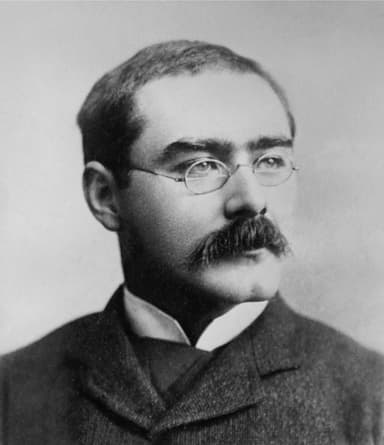
About Alan Seeger

Alan Seeger was born in New York City in 1888 and spent his childhood bouncing between New York and Mexico before heading to Harvard. There, he edited the Harvard Monthly and mingled with literary circles. After graduating in 1910, he spent two years in Greenwich Village pursuing a career as a poet, then moved to Paris — a city that would profoundly influence the rest of his brief life.

When World War I erupted in August 1914, Seeger was still in Paris. While the United States remained neutral, he didn't want to sit idly by. He enlisted in the French Foreign Legion within weeks of the war's onset, joining a small group of American volunteers who felt a personal obligation to France and were eager to fight for her. His letters home reveal a young man who understood the risks and was almost romantically attracted to the danger — not naively, but as someone who believed that a life fully experienced was more valuable than a long one.

He served on the Western Front for nearly two years, witnessing combat in the trenches of Champagne and Picardy.

On July 4, 1916 — American Independence Day — he was killed during an assault at Belloy-en-Santerre, part of the initial phase of the Battle of the Somme. He was just 28.

Seeger came from an extraordinary family. His brother, Charles Seeger, became a notable musicologist and pacifist, while his sister, Elizabeth Seeger, was a well-respected children's author. Through Charles, Alan was the uncle of Pete Seeger, Peggy Seeger, and Mike Seeger — three pivotal figures in American folk music. The family's artistic and intellectual legacy is impressive.
Biographical span
1888Birth
1916Death

Poets in the same orbit

Reader questions

Frequently asked