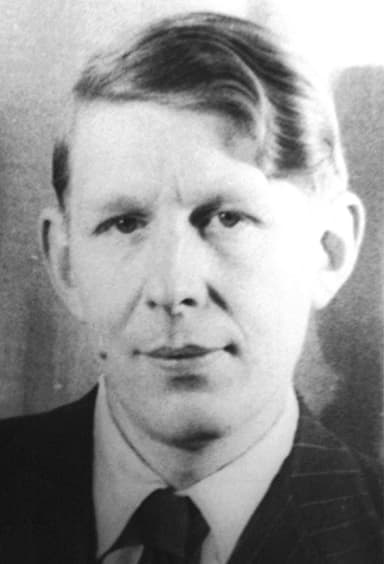
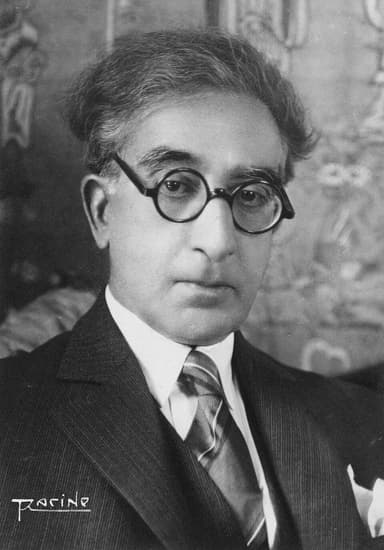
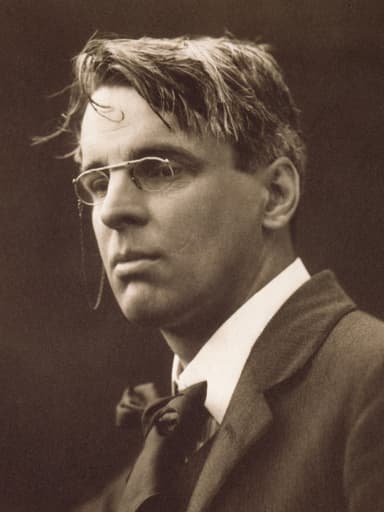
Wystan Hugh Auden was born in York, England, in 1907, as the youngest of three sons in a family deeply influenced by medicine, Anglo-Catholicism, and a profound love of literature. His father was a doctor with a broad intellectual curiosity, which shaped the environment Auden grew up in. He later attended Christ Church, Oxford, where he quickly became the focal point for a group of writers that included Stephen Spender, Christopher Isherwood, and Louis MacNeice — a generation acutely aware of the social and political upheaval in Europe, which they expressed through their poetry.
In the late 1920s, Auden spent time in Berlin, where the city's political instability and sexual liberation left a lasting impression on his work. Throughout the 1930s, he emerged as the most talked-about young poet in Britain, collaborating with Isherwood on plays, writing commentary for documentary films, and traveling to Iceland, China, and Spain during its Civil War. His poetry from this time resonates with a sense of urgency — he had a knack for making a sonnet feel like a direct message from the front lines.
“In 1939, as the Second World War was on the horizon, Auden relocated to New York with Isherwood.”
This decision stirred controversy back in Britain, with some perceiving it as a betrayal. Auden, however, remained unfazed. New York was a great fit for him. He became a U.S. citizen in 1946, and the city's hustle and anonymity inspired a new direction in his work — one that was more philosophical, more spiritual, and more open to ambiguity. He returned to Christianity in the early 1940s, and that faith subtly reshaped much of his subsequent writing.
Auden taught at various American universities and spent summers on the Austrian island of Ischia and later in Kirchstetten, Austria, where he eventually purchased a home. He edited anthologies, collaborated on opera libretti with Chester Kallman (his partner for many years), and produced sharp criticism alongside his poetry. He won the Pulitzer Prize in 1948 for *The Age of Anxiety*.