Skip to content

The Poet Index · Entry 092

Samuel Taylor Coleridge
Poems

Lifespan
1772–1834
Nationality
Kingdom of Great Britain
Indexed Works
8

It's Coleridge at his most relatable and genuinely human — a heartfelt reflection on memory and fatherhood that reveals his brilliance without relying on the supernatural elements found in his larger works.

Editorial intro

Nikola Gulevski, Editor, Storgy

About our editor →

Editorial intro

Coleridge wrote a poem about a sailor cursed for killing an albatross, presenting it as if it were the oldest, truest story in the world—something that had always existed and he merely uncovered. "The Rime of the Ancient Mariner" occupies a unique place in English literature, akin to a geological layer that no one else discovered. No other poet of his era, or arguably any era, made the supernatural feel so morally weighty and inevitable.

He stands at the founding edge of English Romanticism, having co-produced *Lyrical Ballads* with Wordsworth in 1798, which reset the possibilities of poetry. His influence extends through Keats, Poe, and deeply into the gothic tradition. First-time readers are often taken aback by the sheer sonic beauty of his verse—the way lines flow before their meaning registers—and the raw honesty of "Dejection: An Ode," which stands as one of the most unguarded accounts of creative collapse ever presented by a major poet. His volume of work was limited and partly unfinished, which makes the pieces that remain feel even more charged.

Where to start

The Works

Sort byYearTitle
  1. 01ChristabelUndated
  2. 02DesireUndated
  3. 03Frost at MidnightUndated
  4. 04Kubla KhanUndated
  5. 05Kublai KhanUndated
  6. 06Rime of the Ancient MarinerUndated
  7. 07The NightingaleUndated
  8. 08To NatureUndated

Recurring themes

Biographical record

About Samuel Taylor Coleridge

Samuel Taylor Coleridge was born in Ottery St Mary, Devon, in 1772, the youngest of ten children. His father, a vicar and schoolmaster, died when Coleridge was nine, and this loss led to him being sent to Christ's Hospital school in London — a change that impacted him for the rest of his life. He attended Jesus College, Cambridge, but never completed his degree, enlisting in the Light Dragoons during a personal crisis before his brother helped him leave the military. He didn't fit into military life, nor did he conform to conventional living.

In the 1790s, Coleridge forged a deep and creatively vibrant friendship with William Wordsworth. The two lived close to each other in the Somerset countryside and the Lake District, and their partnership resulted in *Lyrical Ballads* in 1798 — a work that effectively marked the beginning of English Romanticism. Coleridge contributed "The Rime of the Ancient Mariner" to this collection, a poem so unique and vividly crafted that it remains unlike anything else in the language.

During this time, he also produced "Kubla Khan" and "Christabel," both left unfinished, yet both remarkable.

Coleridge claimed that "Kubla Khan" came to him in its entirety during an opium dream and that he was interrupted before he could write it all down. Whether that story is literally true or not, it reflects something genuine about the poem's essence: it feels like a piece of a much larger, stranger world.

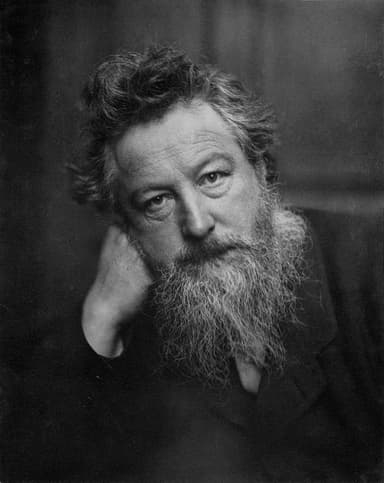
Opium became the central tragedy of Coleridge's adult life. He began using laudanum for pain and anxiety in the 1790s, and by the early 1800s, he had become fully dependent on it. The addiction diminished his productivity, strained his unhappy marriage to Sara Fricker, and led to a prolonged estrangement from Wordsworth. He expressed the devastation of his creative abilities with remarkable honesty in "Dejection: An Ode," one of the most frank poems about artistic despair in English literature.

Biographical span
1772Birth
1834Death

Poets in the same orbit

Reader questions

Frequently asked