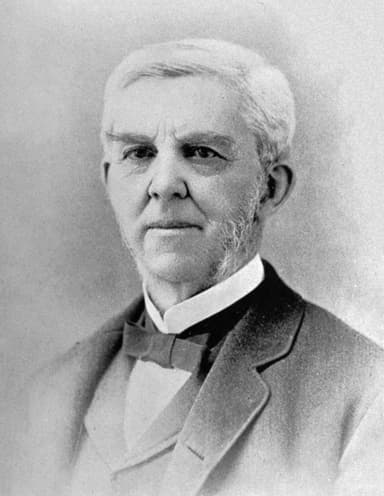
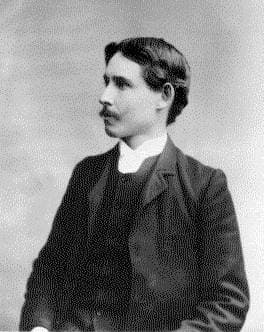
William Cullen Bryant was born on November 3, 1794, in Cummington, Massachusetts, nestled in the Berkshires. The cold, spare, and quietly dramatic landscape of his childhood left a lasting impression on his writing. He grew up in a family that valued literature, and by the time he was a child, he was already reading Latin poets. By his early teens, he was penning verses that circulated in local newspapers, and at thirteen, he published a satirical poem that garnered enough attention to be printed as a pamphlet.
His family encouraged him to pursue a career in law, and he complied, passing the bar and practicing in western Massachusetts during his early twenties. Although he was skilled at it, he found little joy in the profession. The poem that would later define his legacy, "Thanatopsis," was drafted when he was around seventeen, though it was not published until 1817 in the *North American Review*, which left readers stunned and questioning if an American could have written it. Initially, the editors believed it must have been authored by someone British.
“In 1825, Bryant took a pivotal step that would influence the latter part of his life: he left the legal profession and moved to New York City.”
Within a few years, he became editor-in-chief of the *New York Evening Post*, a role he held for over fifty years. Under his guidance, the paper became a prominent voice in American public life—he used it to fight against slavery, advocate for free trade, and support Abraham Lincoln's presidential campaigns. He was a founding member of the Republican Party and played a significant role in New York's civic culture, promoting the establishment of Central Park.
As a poet, Bryant was firmly rooted in the Romantic tradition, drawing inspiration from nature like his British contemporaries but grounding it in distinctly American landscapes—the Hudson Valley, the prairies, and the northeastern forests. His poems often transition from detailed observations of the natural world to broader questions about mortality, God, and the human experience of self-awareness in the face of death. He wasn't one for personal confessions; his formal distance might seem cool to contemporary readers, but it rewards those who take the time to engage deeply.