Skip to content

The Poet Index · Entry 014

Leonard Cohen
Poems

Lifespan
1934–2016
Nationality
Canada
Indexed Works
1

It showcases Cohen's key strengths all in one place — the letter-as-poem format, the moral complexity, and his ability to express both grief and gratitude simultaneously without diminishing either emotion.

Editorial intro

Nikola Gulevski, Editor, Storgy

About our editor →

Editorial intro

Leonard Cohen built a body of work that sits at the intersection of sacred scripture and secular heartbreak, and no one else has held that position with the same precision or staying power. He came to music as a published novelist and poet, already in his thirties, and that late arrival showed. His lyrics carried the weight of someone who had actually read the texts he was riffing on — the Bible, the Kabbalah, the Zen koans — and who had lived long enough to know the difference between suffering and self-pity. Songs like "Hallelujah" and "Suzanne" are not pop songs that sound literary; they are poems that happen to have melodies, and the distinction matters.

Cohen sits in the landscape as the figure who proved that a songwriter could sustain a 50-year career on depth alone, without radio hits or mainstream approval. His influence runs through Nick Cave, Rufus Wainwright, and a generation of writers who treat the song as a serious literary form. First-time readers of his poetry are often surprised by two things: how funny he could be, and how direct. The academic mystique dissolves quickly. What's left is a man asking the same hard questions about God, desire, and loss that anyone asks at three in the morning — except he asked them better than almost anyone else ever has.

Where to start

The Works

Sort byYearTitle
  1. 01Famous Blue RaincoatUndated

Recurring themes

Biographical record

About Leonard Cohen

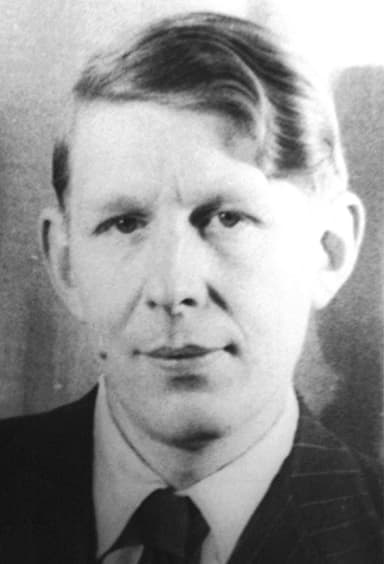
Leonard Norman Cohen was born in Montreal, Quebec, in 1934, into a middle-class Jewish family. Growing up in the Westmount neighborhood, he lost his father when he was just nine years old. His formative years were shaped by the tension between his religious upbringing and the secular world around him. He studied at McGill University and later at Columbia, but he never quite fit the mold of a traditional academic or a conventional literary figure.

In his twenties, Cohen published poetry collections and two novels — *The Favourite Game* (1963) and *Beautiful Losers* (1966) — which established his literary reputation in Canada. However, those books didn’t pay the bills, and by the mid-1960s, he made a surprising move: he switched to music. He moved to New York, immersed himself in the folk scene of Greenwich Village, and began recording. His debut album was released in 1967 when he was already 33 — quite old by pop standards.

What followed was one of the more unusual careers in 20th-century art.

Cohen never became a mainstream pop star, but he cultivated a loyal audience over the decades, partly because his songs had the depth and precision of genuine poetry. He spent years living on the Greek island of Hydra, had a long relationship with Norwegian-American singer Marianne Ihlen (who inspired "So Long, Marianne"), and spent time at a Zen Buddhist monastery on Mount Baldy in California during the 1990s — a period that intensified the spiritual exploration already evident in his work.

His personal life was complex and often painful. He spoke openly about struggles with long-term depression. In his seventies, he learned that his former manager had wiped out his retirement savings, forcing him back on the road for a world tour that unexpectedly became one of the most celebrated concert runs of his time.
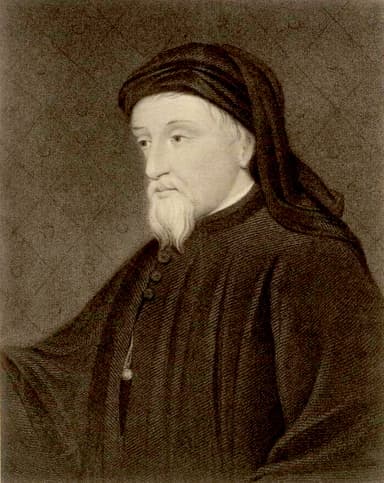
Biographical span
1934Birth
2016Death

Poets in the same orbit

Reader questions

Frequently asked